Attic insulation plays a critical role in protecting your roof, improving indoor comfort, and reducing energy costs. Many homeowners focus heavily on roofing materials but overlook the importance of what lies beneath the roof deck. In reality, effective attic insulation is essential for improved roofing performance, long-term durability, and structural stability.
Proper attic insulation acts as a thermal barrier, regulating temperature fluctuations and preventing moisture buildup that can compromise roofing systems. Roofing professionals at 3jmext.com frequently emphasize that insulation, ventilation, and roofing materials must work together as a complete system to ensure maximum performance.
Understanding the best insulation options and how they contribute to roofing health can help you make informed, cost-effective decisions.
Why Attic Insulation Matters for Your Home
Attic insulation directly impacts both energy efficiency and roof longevity. During hot summers, heat rises and accumulates in the attic. Without proper insulation, that heat transfers into living spaces, forcing HVAC systems to work harder. In winter, warm indoor air escapes through the roof, increasing heating costs and contributing to ice dam formation.
Proper insulation:
- Minimizes heat transfer
- Maintains consistent indoor temperatures
- Reduces HVAC strain
- Prevents moisture buildup
- Protects the roof decking from condensation
- Extends shingle lifespan
This thermal stability reduces expansion and contraction cycles that stress roofing materials, a benefit often highlighted during roof system inspections by 3JM.
How Attic Insulation Works
Attic insulation slows the movement of heat between your home and the outside environment. Heat naturally flows from warmer areas to cooler ones. Insulation materials contain air pockets or dense fibers that resist this transfer.
The effectiveness of insulation is measured by its R-value, which indicates resistance to heat flow. Higher R-values provide better thermal performance. The appropriate R-value depends on your climate zone and building codes.
By stabilizing attic temperatures, insulation:
- Reduces heat buildup
- Prevents condensation
- Protects the roof decking
- Improves indoor comfort
- Enhances overall roofing durability
5 Best Attic Insulation Options for Homeowners
Selecting the right insulation type depends on climate, budget, and attic structure.
1. Fiberglass Batt Insulation
Fiberglass batts are pre-cut panels installed between attic joists.
Benefits
- Budget-friendly
- Easy to install
- Widely available
- Non-combustible
However, gaps or compression can reduce effectiveness, making proper installation essential.
2. Blown-In Fiberglass Insulation
Blown-in fiberglass consists of loose fibers applied with specialized equipment to fill gaps.
Benefits
- Excellent coverage
- Reduces air gaps
- Quick installation
- Good thermal performance
This option is ideal for upgrading existing insulation layers.
3. Cellulose Insulation
Made from recycled paper treated for fire resistance, cellulose is eco-friendly and efficient.
Benefits
- Sustainable material
- High R-value per inch
- Strong air infiltration resistance
- Effective soundproofing
It works well in older homes needing improved insulation without major structural changes.
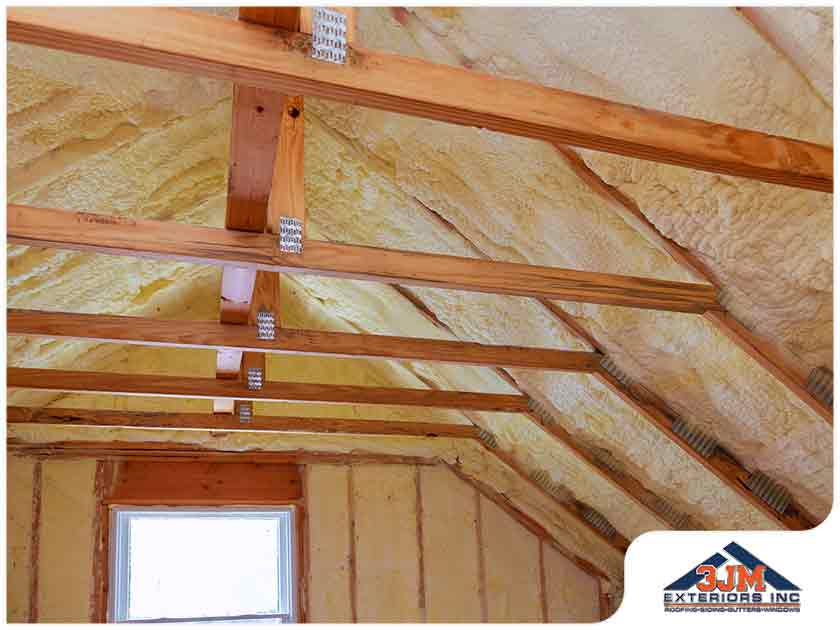
4. Spray Foam Insulation
Spray foam expands upon application, sealing cracks and gaps while creating an airtight barrier.
Benefits
- Superior air sealing
- High R-value
- Moisture resistance
- Adds structural reinforcement
Although more expensive, spray foam delivers exceptional performance and long-term savings advantages and is often recommended by roofing specialists at 3jmext.com.
5. Radiant Barrier Insulation
Radiant barriers reflect heat rather than absorb it, making them especially effective in hot climates.
Benefits
- Reduces radiant heat gain
- Improves cooling efficiency
- Works well with other insulation types
Radiant barriers enhance performance but should be paired with traditional insulation.
Attic Insulation Comparison Table
| Insulation Type | Best For | Key Benefit | Performance Level |
| Fiberglass Bat | Budget upgrades | Affordable & accessible | Moderate |
| Blown-In Fiberglass | Filling gaps | Better coverage | Improved |
| Cellulose | Eco-conscious homes | Sustainable & efficient | Strong |
| Spray Foam | Maximum efficiency | Airtight sealing | Superior |
| Radiant Barrier | Hot climates | Heat reflection | Supplemental |
Additional Benefits of Effective Attic Insulation
Effective attic insulation provides far more than simple temperature control. It helps reduce HVAC wear and tear by stabilizing indoor conditions, thereby lowering energy bills over time. Proper insulation also improves indoor air quality by minimizing moisture buildup that can lead to mold growth.
In addition, it increases home resale value, reduces overall environmental impact through improved energy efficiency, minimizes attic moisture issues, and enhances overall roof system stability. Roofing professionals at 3jmext stress that insulation upgrades often prevent future, more costly structural repairs by addressing thermal and moisture issues early.
How Climate Influences Attic Insulation Choice
Climate determines insulation needs:
- In cold climates, higher R-values prevent heat loss and ice dams.
- In hot climates, radiant barriers reduce solar heat gain.
- Humid regions: Moisture-resistant insulation prevents mold and rot.
Choosing insulation tailored to your climate ensures optimal roofing performance.
Common Attic Insulation Mistakes to Avoid
Homeowners can unintentionally reduce insulation effectiveness by choosing materials with insufficient R-value, blocking attic ventilation, compressing insulation during installation, ignoring existing air leaks, or failing to address underlying moisture problems.
These mistakes can compromise energy efficiency and roofing performance. Professional Guidance from experts like 3jmext ensures proper installation, correct R-value selection, and balanced ventilation for long-term durability.
Signs Your Attic Insulation Needs Improvement
Watch for:
- Uneven indoor temperatures
- Rising energy bills
- Ice dams
- Excessive attic heat
- Drafts
- Thin or uneven insulation
These signs indicate that your attic may not be supporting the roof effectively.
How Attic Insulation Supports Roofing Performance
Attic insulation directly protects roofing materials by stabilizing temperature fluctuations throughout the year. By reducing expansion and contraction cycles caused by extreme heat and cold, insulation helps prevent premature shingle wear and structural stress.
It also prevents condensation damage, protects roof decking from moisture exposure, reduces the risk of mold growth, minimizes ice dam formation in colder climates, and extends the overall lifespan of the roofing system.
Professionals at 3jm exterior frequently evaluate attic insulation during roofing inspections because insulation performance plays a critical role in long-term roof durability and structural protection.
Choosing the Best Attic Insulation for Your Home
Consider:
- Climate zone
- Budget
- Existing insulation condition
- Ventilation system
- Long-term efficiency goals
Combining insulation upgrades with proper ventilation improvements delivers the best results.
Consulting experienced contractors, such as 3jmext.com, ensures accurate R-value recommendations and professional installation.
If you’re unsure which attic insulation solution is right for your home, expert evaluation makes a significant difference. The experienced team at 3jmext.com provides comprehensive roofing performance assessments, insulation recommendations, and ventilation evaluations tailored to your climate and structure.
Proper attic insulation not only improves comfort but also strengthens long-term roofing durability. Call (630) 985-6494 or fill out our contact form to schedule a consultation and ensure your attic insulation is supporting improved roofing performance and energy efficiency.
Conclusion
Effective attic insulation for improved roofing performance is not simply an energy-saving upgrade; it is a critical component of a durable roofing system. By selecting the right insulation type, ensuring proper installation, and considering climate-specific needs, homeowners can significantly improve roof longevity, comfort, and efficiency.
From reducing heat transfer and preventing moisture damage to extending the lifespan of roofing materials, attic insulation delivers measurable long-term value. With Guidance from trusted roofing professionals like 3jmext.com, you can make informed decisions that protect your home, reduce energy costs, and strengthen your roofing system for years to come.
FAQs
Which type of insulation works best for an attic roof?
Typical materials include cellulose or fiberglass, both of which are inexpensive, safe, and contain recycled materials (glass or crushed paper). If conventional insulation rolls are utilized for the attic floor instead, make sure they are “unface”, that is, they don’t require foil or paper backing to prevent moisture from becoming trapped.
What is the completed attic’s “7 and 7 rule”?
According to this regulation, at least half of your attic must be 70 square feet, measuring 7 feet high by 7 feet wide. Although codes vary by location, this restriction usually applies when using the attic as a habitable room.
What is the most effective roof insulation?
The most effective roof insulation is typically spray foam insulation, particularly closed-cell spray foam. It provides a high R-value, superior air sealing, and strong moisture resistance, making it highly efficient for preventing heat loss and air leaks. However, the best option depends on your climate, roof design, and budget, as other materials, such as cellulose or blown-in fiberglass, can also perform well when properly installed.
How to properly insulate an attic roof?
To properly insulate an attic roof, first seal all air leaks around vents, wiring, and attic openings to prevent heat loss. Next, ensure proper ventilation with soffit and ridge vents to maintain airflow. Then install insulation with the correct R-value for your climate, such as fiberglass batts, blown-in insulation, or spray foam, without compressing the material.
What are the four types of insulation for roofs?
The four most common types of roof insulation are fiberglass, cellulose, and rigid insulation. Fiberglass and cellulose are commonly used in attics for thermal resistance, spray foam provides superior air sealing and moisture protection, and rigid foam boards offer high insulating value with structural support. They are often used in flat or low-slope roofing systems.