
Your roof is one of the most important structural components of your home. It protects your family, belongings, and long-term investment from harsh weather, moisture intrusion, and structural damage. Yet many homeowners only think about their roof when a leak appears or shingles begin to deteriorate.
Understanding residential roofing services, materials, maintenance practices, and contractor selection can save you thousands of dollars and prevent unexpected problems. Whether you are scheduling a routine inspection or considering a full replacement, working with experienced professionals like 3jmext ensures your roof receives the attention and quality workmanship it deserves.
In this comprehensive guide, we’ll cover everything every homeowner should know about roofing, from materials and maintenance to warranties and selecting a contractor.
| Roofing Material | Average Lifespan | Maintenance Level | Key Advantages | Best For |
| Asphalt Shingles | 20–30 years | Low to Moderate | Affordable, easy installation, versatile design options | Budget-friendly residential homes |
| Metal Roofing | 40–70 years | Low | Energy-efficient, durable, weather-resistant | Areas with extreme weather conditions |
| Tile Roofing | 50+ years | Low | Fire-resistant, long-lasting, distinctive style | Warm climates and upscale homes |
| Slate Roofing | 75+ years | Low | Extremely durable, natural appearance, premium value | Luxury and long-term investment properties |
| Wood Shakes | 20–40 years | High | Natural aesthetic, good insulation | Rustic-style homes |
What Every Homeowner Should Know About Roofing
Roofing involves far more than installing shingles. A complete roofing system includes structural decking, underlayment, flashing, ventilation, drainage systems, and protective outer materials. Each layer plays a vital role in safeguarding your home.
Professional roofing companies such as 3jmext understand that proper installation and maintenance are essential to long-term performance. When installed correctly and inspected regularly, a residential roof can provide decades of reliable protection.
By learning the fundamentals of roofing systems, homeowners can make informed decisions and avoid costly mistakes.
Why Roofing Matters: Protection and Property Value
Your roof acts as your home’s first line of defense against rain, wind, snow, hail, and extreme temperatures. Even minor damage can allow water to seep beneath roofing materials, leading to mold growth, insulation damage, and wood rot.
A well-maintained roof also enhances curb appeal and property value. If you plan to sell your home, a newer or professionally maintained roof, especially one installed by trusted contractors like 3jmext.com, can significantly increase buyer confidence.
Additionally, roofing affects energy efficiency. Proper insulation and ventilation help regulate indoor temperatures, reducing heating and cooling costs year-round.
Key reasons roofing matters include
- Protects the structural integrity of your home
- Prevents costly water and mold damage
- Improves resale value and market appeal
- Enhances energy efficiency and indoor comfort
- Reduces long-term maintenance expenses
- Provides peace of mind during severe weather conditions
Investing in professional roofing services ensures your home remains secure, efficient, and valuable for years to come.
Common Roofing Problems to Watch For
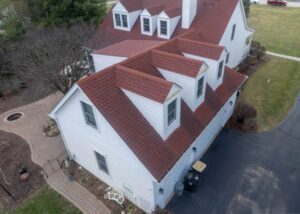
Recognizing early warning signs can prevent major repairs.
Leaks and Water Stains
Water stains on ceilings or walls often signal roof leaks that require immediate attention. Even small leaks can allow moisture to penetrate insulation and structural wood, leading to costly interior damage over time. If left untreated, persistent moisture can promote mold growth and weaken the integrity of your home.
Missing or Damaged Shingles
Wind, age, or impact damage can cause shingles to crack, curl, or detach. When shingles are compromised, the underlying layers become exposed to weather elements, increasing the risk of leaks and deterioration. Prompt replacement of damaged shingles helps maintain the roof’s protective barrier.
Sagging Roof Structure
Sagging areas may indicate water damage or structural weakness beneath the surface. This issue often suggests prolonged moisture exposure that has affected the decking or support beams. Immediate professional inspection is necessary to prevent further structural compromise.
Damaged Flashing
Flashing around chimneys and vents can deteriorate over time, allowing moisture infiltration. Cracked, rusted, or improperly sealed flashing creates vulnerable entry points for water. Repairing or replacing flashing promptly helps maintain a watertight seal.
Granule Loss
Excessive granules in gutters often signal aging shingles nearing replacement. Granules protect shingles from UV rays and weather damage, so their loss reduces the roof’s durability. Significant granule shedding is often an early warning sign that the roof may need repair or replacement soon.
Scheduling inspections with experienced roofing professionals like 3jmext helps identify and address these problems early.
Types of Roofing Materials
Selecting the right roofing material depends on climate, budget, and aesthetic preferences.
Asphalt Shingles
Affordable and widely used, asphalt shingles typically last 20–30 years. They are available in a variety of colors and styles, making them a versatile choice for many homes.
Key benefits include
- Cost-effective installation
- Easy repairs and replacement
- Good fire resistance (with proper rating)
- Suitable for most residential roof designs
Metal Roofing
Durable and energy-efficient, metal roofs can last 40–70 years. They are highly resistant to extreme weather conditions and require minimal maintenance.
Key benefits include
- Excellent wind and impact resistance
- Reflects solar heat to reduce cooling costs
- Lightweight yet strong
- Environmentally friendly and recyclable
Tile Roofing
Clay or concrete tiles provide a long lifespan and a distinctive style. They are especially popular in warmer climates due to their heat resistance.
Key benefits include
- Exceptional durability
- Fire-resistant properties
- Low maintenance requirements
- Classic, elegant appearance
Slate Roofing
Premium and extremely durable, slate roofs can last 75+ years. Slate offers unmatched natural beauty and superior longevity.
Key benefits include
- Extremely long lifespan
- Natural stone appearance
- Fire and weather resistant
- Adds high resale value
Wood Shakes
Offer natural beauty but require consistent maintenance. Wood shakes provide a rustic and traditional aesthetic.
Key benefits include
- Attractive natural look
- Good insulation properties
- Biodegradable material
- Customizable stain and finish options
However, regular maintenance is necessary to prevent moisture damage, rot, and insect infestation.
A professional consultation with 3jmext.com can help homeowners evaluate which material best suits their home’s structure and environmental conditions.
Roof Maintenance Tips
Routine maintenance significantly extends the life of your roof and helps prevent costly damage. Homeowners should schedule annual inspections, clean gutters regularly to ensure proper drainage, remove debris buildup such as leaves and branches, inspect flashing and sealants for signs of wear, and trim overhanging tree branches to reduce impact and moisture risks. Preventive care reduces the likelihood of emergency repairs and extends the overall performance of the roof. Companies like 3JM often offer maintenance programs designed to keep roofing systems functioning efficiently year-round.
When to Repair vs. When to Replace
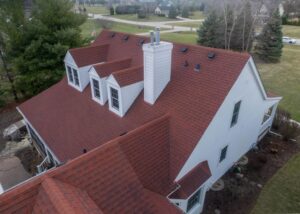
Deciding between repair and replacement depends on several factors.
Repair Is Often Appropriate When
- Damage is limited to a small section
- The roof is relatively new
- Structural components remain intact
Replacement May Be Necessary When
- The roof is nearing the end of its lifespan
- Multiple leaks are present
- Shingle deterioration is widespread
- Structural damage is identified
A professional inspection from 3jmext can determine the most cost-effective and long-term solution.
Understanding Roofing Installation
A professional roof installation begins with the removal of old materials, followed by a thorough inspection of the roof deck to identify and repair any structural damage. Next, contractors install a protective underlayment, properly place flashing around vulnerable areas, and apply the selected roofing material with precision.
Ventilation systems are integrated to promote airflow and energy efficiency, and the project concludes with a final inspection and complete cleanup of the jobsite. Proper installation ensures long-term durability, water resistance, and warranty compliance. Experienced contractors like 3jmext follow manufacturer guidelines carefully to protect both materials and workmanship guarantees.
Understanding Roofing Costs and Estimates
Roofing costs depend on:
- Material selection
- Roof size and pitch
- Labor requirements
- Structural repairs
- Permit and disposal fees
Homeowners should request detailed written estimates. Be cautious of extremely low bids, as they may indicate substandard materials or shortcuts. Reputable companies such as 3jmext.com provide transparent pricing, detailed breakdowns, and clear warranty information.
Choosing the Right Roofing Contractor
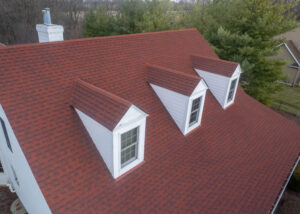
Selecting a reliable roofing contractor is crucial to ensuring a successful project and long-term roof performance. Homeowners should verify licensing and insurance, review references from previous clients, confirm that all terms are outlined in a written contract, understand warranty coverage details, and ensure compliance with all permits.
Taking these steps helps protect your investment and avoid unnecessary risks. Professional roofing companies like 3jmext emphasize clear communication, accountability, and quality workmanship from start to finish.
Roof Warranties and What They Cover
There are two main warranty types:
Manufacturer Warranty
A manufacturer’s warranty covers defects in roofing materials that may arise due to production issues. If shingles or other roofing products fail prematurely because of manufacturing flaws, the manufacturer may provide replacement materials or prorated coverage.
However, this warranty typically does not cover installation mistakes, which is why proper installation is essential to keep the coverage valid.
Workmanship Warranty
A workmanship warranty covers installation-related errors made by the contractor. If problems occur due to improper installation, flashing mistakes, or sealing issues, the contractor is responsible for correcting them within the warranty period. Choosing experienced professionals ensures that both material and workmanship warranties remain fully protected.
Understanding warranty terms helps homeowners protect their investment. Contractors such as 3jmext explain warranty coverage clearly to ensure long-term confidence.
Energy Efficiency and Ventilation
Proper attic ventilation prevents moisture buildup and heat accumulation. Poor ventilation can lead to:
- Higher energy bills
- Mold growth
- Ice dams
- Premature roof deterioration
Energy-efficient roofing materials combined with professional installation from 3jmext.com can significantly improve home comfort.
The Importance of Regular Roof Inspections
Regular roof inspections help identify minor issues before they escalate into costly repairs or structural damage. Experts recommend scheduling inspections annually, after severe storms, before selling a home, and prior to warranty expiration to ensure continued coverage.
Routine evaluations allow homeowners to address wear and tear early and maintain overall roof performance. Professional inspections from 3JM help preserve roof integrity, extend lifespan, and provide peace of mind year-round.
Long-Term Value of Quality Roofing Services
Investing in professional roofing services provides long-term benefits:
- Increased home value
- Enhanced curb appeal
- Improved energy efficiency
- Lower repair costs
- Greater peace of mind
A properly installed roof can last decades when maintained correctly.
If you’re considering roof repair, replacement, or a professional inspection, the experienced team at 3jmext is here to help. From material selection to full installation and maintenance services, they provide reliable solutions tailored to your home’s needs. Call (630) 985-6494 or fill out our contact form to schedule your consultation and ensure your roof remains strong, secure, and built to last.
Final Thoughts
Residential roofing services involve much more than installing shingles. From material selection and maintenance to contractor evaluation and warranty understanding, informed homeowners are better equipped to protect their property.
Partnering with experienced professionals like 3jmext ensures high-quality installation, transparent communication, and long-lasting results. By taking a proactive approach and scheduling regular inspections, you can protect your home, improve efficiency, and maximize your roofing investment for years to come.
FAQs
What are the 5 functional requirements of a roof?
The five functional requirements of a roof are weather protection, proper drainage, structural support, insulation for energy efficiency, and long-term durability.
What should every homeowner know?
Every homeowner should understand basic maintenance, budget for repairs, verify contractor credentials, and make informed decisions to protect their home and investment.
What is the first rule of roofing?
The first rule of roofing is proper water management. Always ensure water is directed away from the structure to prevent leaks and damage.
What is the biggest problem roofers face?
The biggest problem roofers face is unpredictable weather, which can delay projects, create safety risks, and impact overall work quality and timelines.
A type 3 roof: what is it?
A roof receives a Class 3 grade if a steel ball with a diameter of 1.75 inches strikes the sample twice in the same location without causing any cracks.